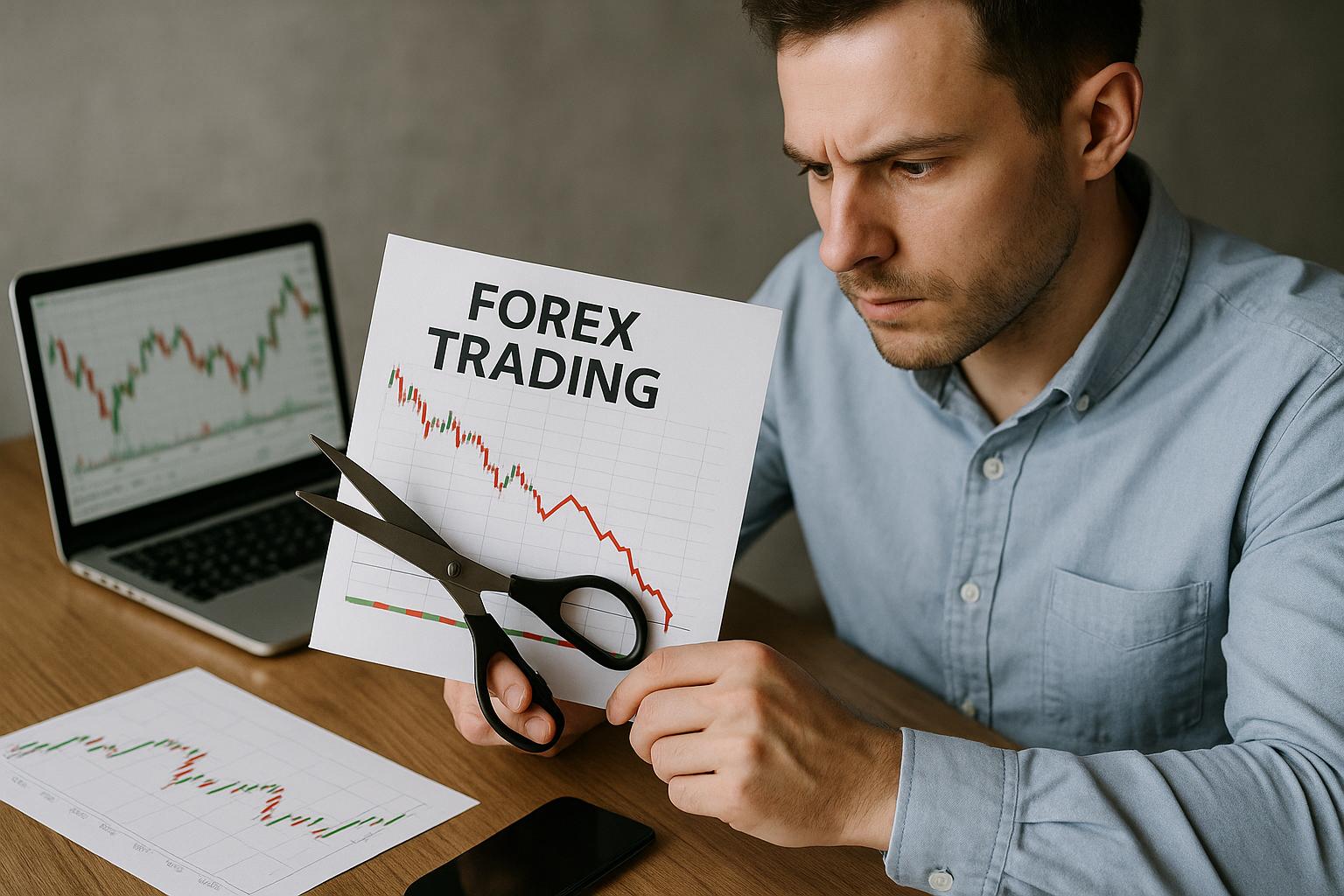
Understanding the Importance of Cutting Losing Trades
In the fast-paced realm of forex trading, where the primary objective is to make gains, it is equally vital to minimize losses. Every trader, regardless of their experience level, must master the skill of identifying and terminating losing trades without hesitation. This involves not only comprehending when to exit a trade but also understanding the rationale behind such decisions.
Why Cutting Losses Matters
Traders operate in the highly volatile landscape of the foreign exchange market, where prices can swiftly move in unfavorable directions. Holding onto losing trades poses a risk of eroding large portions of one’s capital, thus complicating the recovery process. The practice of cutting losses is fundamentally about preserving capital, ensuring that traders remain in a healthy psychological state to seize new trading opportunities. This mental readiness is crucial as it empowers traders to navigate the market with renewed strategies and perspectives.
Basic Strategies to Cut Losses
A critical aspect of forex trading is being strategically prepared to cut losses at the right time. Here are some foundational strategies:
Set a Stop-Loss Order: Using stop-loss orders is a straightforward yet potent strategy in the trader’s arsenal. These orders predetermine a level at which a trade will close automatically if the market moves against the trader’s position. By establishing a stop-loss level, traders can eliminate emotional bias in decision-making, offering a systematic approach to capital protection.
Define Risk Tolerance: Prior to engaging in any trade, it is essential to ascertain the level of risk one is willing to accept. Setting a clear risk threshold, often expressed as a percentage of one’s total capital, is practical. For instance, by limiting risk to 1-2% per trade, traders can significantly curtail potential losses in the long term, thereby safeguarding their trading capital.
Adapting to Market Conditions
Markets are dynamic, meaning conditions can shift swiftly and unpredictably. For novice traders, recognizing this dynamic environment is crucial. Adapting strategies in response to these fluctuations is a vital skill.
Adjust Stop-Loss Levels: In environments characterized by high volatility, it may be prudent to adjust stop-loss levels accordingly. Such markets can warrant broader stop-loss boundaries to weather abrupt price changes. Conversely, in more stable, less volatile markets, setting tighter stop-loss limits might be more appropriate to avoid unnecessary drawdowns from minor price fluctuations.
Psychological Aspects
Beyond technical strategies, trading poses significant psychological challenges. Maintaining objectivity and discipline is essential, especially in terminating underperforming trades.
Accept Losses as Part of Trading: It is imperative for traders to embrace the notion that losses are intrinsic to trading activities. Acknowledging and accepting this fact enables traders to channel their focus into learning from these experiences rather than fixating on them, which can be counterproductive.
Avoid the ‘Hope’ Trap: A common pitfall many traders fall into is clinging to losing positions, fueled by the hope of a market turnaround. Such an approach is rarely effective. Adhering steadfastly to pre-set exit strategies tends to yield more reliable outcomes.
Incorporating Technology and Tools
Modern trading relies heavily on technology, and traders can greatly benefit from leveraging technological advancements to manage trades more efficiently.
Leverage Forex Trading Platforms: The majority of forex trading platforms come equipped with sophisticated features such as customizable charts and automated trading systems. These tools are instrumental in setting alerts and automating stop-loss orders, ensuring efficient execution of trade exits at designated levels.
Further Learning Opportunities
For traders endeavoring to deepen their expertise, there is significant value in engaging with educational resources dedicated to financial markets. Educational platforms often provide courses and extensive materials specifically tailored to risk management and forex trading strategies.
By integrating these strategic practices, traders can cultivate a more resilient portfolio, ensuring that inevitable losing trades do not inflict undue financial harm. A commitment to consistent practice, continuous learning, and stringent risk management remains the cornerstone of achieving sustainable success in the forex trading domain.
This article was last updated on: May 29, 2026