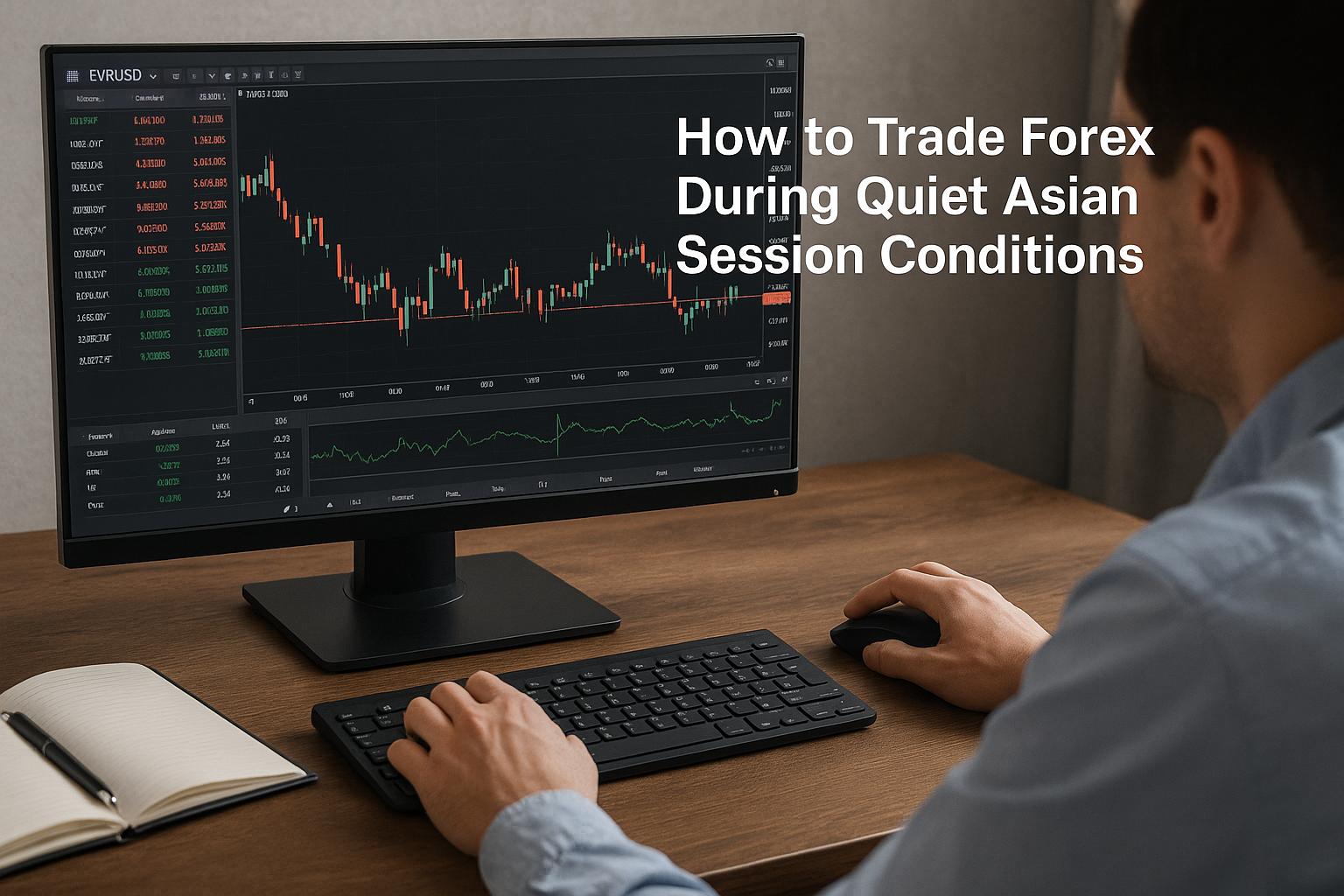
Understanding the Quiet Asian Session
The Asian forex session, often referred to as the Tokyo session, stands out in the realm of global forex trading due to its unique characteristics of lower volatility and a comparatively reduced trading volume. In contrast to the bustling activities witnessed during the London and New York sessions, the Asian session offers a quieter trading environment. During this time, the major financial hubs of activity include Tokyo, Singapore, and Hong Kong. Market movements during this session are generally more subdued, and any significant activity is largely driven by news and developments specifically emerging from the Asia-Pacific region.
Market Characteristics
The Asian session typically kicks off with the infusion of liquidity when the Tokyo market opens at around 00:00 GMT. During the initial hours, trading activity often registers at its lowest, only gaining momentum as volatility begins to rise with the overlap of the London session. Currency pairs such as USD/JPY, AUD/USD, and NZD/USD may exhibit relatively more movement owing to their geographical and economic connections. However, on the whole, the session maintains a quieter demeanor compared to its London and New York counterparts.
Trading Strategies for Quieter Markets
Trading during the Asian session requires adopting a distinct approach tailored to the low-volatility environment, which is quite unlike the dynamic conditions encountered during the more volatile London and New York sessions. Here are some key strategies that traders can employ to navigate the Asian session effectively:
Focus on Range Trading
In a low-volatility environment, currency pairs frequently trade within tight ranges. Range trading strategies capitalize on this by identifying defined support and resistance levels, which can be instrumental in executing profitable trades. By opting to buy at support levels and sell at resistance levels, traders can potentially exploit these conditions effectively during the Asian session. Employing technical indicators such as Bollinger Bands or moving averages can further aid in pinpointing these crucial levels.
Scalping Strategy
Scalping is a short-term trading strategy where traders aim to capitalize on small price movements through a high frequency of trades. This approach is particularly suited to the low volatility characterizing the Asian session. Traders can make use of tools like stochastic oscillators or the relative strength index (RSI) to swiftly identify opportune entry and exit points. The objective is to accumulate small but consistent profits over numerous trades.
Monitor Economic Indicators
Although the Asian session is known for its subdued activity, impactful economic news from Asia-Pacific countries can nevertheless trigger movement in the markets. Traders need to remain vigilant and monitor key economic indicators such as Japan’s GDP numbers, manufacturing data from China, or central bank announcements. Even in a quiet session, such news can result in increased market liquidity and notable movements in currency pairs linked to these regions, presenting potential trading opportunities.
Currency Correlations
Understanding the dynamics of currency correlations can also prove beneficial when trading during the Asian session. Certain currency pairs tend to exhibit similar movement patterns due to economic and geopolitical ties. For example, AUD/USD and NZD/USD often move in tandem given their geographical closeness and closely tied economies. Traders can leverage these correlations to formulate strategic trade setups, aligning their moves in the market.
Risks and Considerations
While engaging in trading activities during the Asian session, traders must be attuned to the potential for abrupt market fluctuations. Although the session generally presents a calm market environment, sudden news or unforeseen geopolitical developments can lead to unexpected changes. Therefore, implementing a robust risk management strategy is crucial. This includes setting stop-loss orders to manage and potentially minimize losses should market dynamics shift unexpectedly.
Conclusion
Engaging in forex trading during the Asian session necessitates a degree of adaptability and an in-depth understanding of the market’s unique characteristics. By concentrating on techniques such as range trading and employing scalping strategies, traders can optimize their engagement with the market. Additionally, staying informed about economic developments and currency correlations equips traders with the tools to navigate the session effectively. Whether a novice trader or a seasoned veteran, the Asian session offers a distinct trading environment that balances risk and reward. By understanding and adapting to its nuances, traders can uncover opportunities inherent in these quieter market conditions, crafting an approach that aligns with their personal trading goals.
This article was last updated on: July 17, 2026