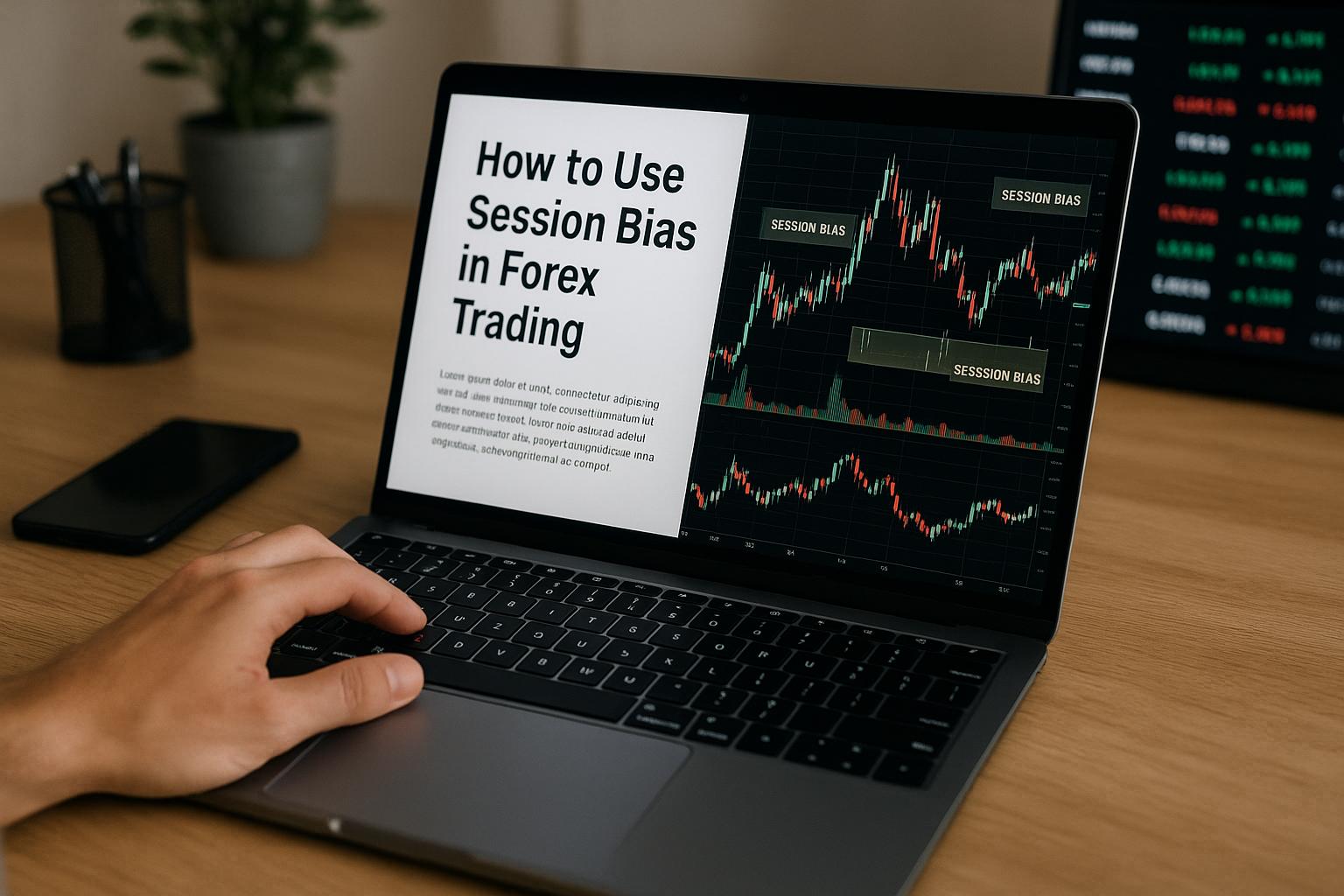
Understanding Session Bias in Forex Trading
In forex trading, session bias refers to the tendency of specific currency pairs to exhibit distinctive behaviors during different trading sessions. These biases can be leveraged by traders to improve decision-making and enhance trading strategies. Understanding how session bias works can offer a strategic advantage in the forex market.
Significance of Trading Sessions
The foreign exchange market operates 24/5, enabling trading around the clock due to overlapping trading sessions across global financial hubs. The main trading sessions include the Asian, European, and North American sessions. Each of these sessions has unique characteristics and affects currency pairs differently, presenting opportunities and challenges for traders.
Asian Session
The Asian trading session, beginning in Tokyo, is typically the start of the trading week. During this session, liquidity can be lower compared to other sessions, leading to tighter trading ranges. Major market participants are usually from the Asia-Pacific region, affecting currency pairs like the Japanese Yen, Australian Dollar, and New Zealand Dollar. Traders focusing on these currencies might find opportunities for shorter-term trades or range-bound strategies during this session.
Key Characteristics of the Asian Session
Markets in this session often experience lower volatility. This is due to fewer market participants and major economic events centered around Asia. Investors often use this session to react to geopolitical events or company earnings that may have occurred over the weekend. While trends during this period tend to be less pronounced, they can still provide valuable insights for those focusing on specific currency movements.
Strategies for the Asian Session
Due to the low liquidity, it is essential for traders to employ strategies that capitalize on small price movements. Many seasoned traders exploit these smaller fluctuations by employing scalping techniques, which involve taking advantage of small price gaps over a short time frame. Range-bound strategies also find use here, given the tighter trading ranges typical of this session. It is a time for traders to consolidate their knowledge of any long-term positions they are considering in the subsequent sessions.
European Session
The European session is characterized by significant activity as it overlaps with other major sessions. The session begins as markets open in London, a leading forex hub. During this time, volatility and liquidity generally increase, impacting a wide range of currency pairs, especially those involving the Euro and British Pound. This session often witnesses the release of critical economic data, further influencing market behavior.
Importance of the London Market
The London market is pivotal in the forex landscape due to its sizeable trading volume, which introduces a fresh wave of traders and activity. This influx often marks increased volumes of trades and results in greater liquidity. Events originating from the European Central Bank (ECB) and the Bank of England (BoE) have significant impacts on currency valuations during this phase.
Economic Data Releases
Economic data releases such as GDP figures, employment numbers, and consumer sentiment indexes from the Eurozone often become focal points. These economic indicators can lead to sharp and sudden market movements as traders seek to capitalize on new information. It is common for traders to anticipate these releases by positioning themselves ahead of time based on expected outcomes.
North American Session
The North American session commences as markets open in New York. This session overlaps with the end of the European session, often resulting in heightened volatility and substantial price movements. The U.S. Dollar, playing a pivotal role in global transactions, sees increased trading volume, offering robust trading opportunities. Traders may focus on major pairs like EUR/USD or USD/JPY during this time.
U.S. Market Dynamics
The opening of the New York markets heralds not just a continuation but often an intensification of market activity. On Wall Street, economic announcements from the Federal Reserve or major U.S. corporations can act as catalysts for volatility. The USD invariably faces scrutiny during this session, shaping many cross-currency dynamics.
Trading Opportunities in New York
The overlap with the London session is a critical period when the market is most liquid. It provides opportunities for arbitrage and significant price adjustments. The final hours of this session often see strategic moves from traders, as the North American market is the last major session to close, setting the tone for the Asian session that follows.
Utilizing Session Bias in Trading
To effectively leverage session bias, traders need to closely monitor sessions opening and closing times, alongside associated market behaviors. Here are some methods to incorporate session bias into your trading strategy:
Align Strategies with Session Characteristics
Aligning strategies with the inherent characteristics of each session is crucial. During the Asian session, where volatility is lower, traders may employ range-bound strategies that focus on smaller within-range price movements. Conversely, as the market transitions to the European or North American sessions, more aggressive trading strategies might come into play as the market participants and volatility increase.
Utilize Automated Trading Tools
Automated trading tools can significantly aid traders in promptly identifying trading opportunities based on session bias. These tools can execute trades swiftly and capitalizes on brief market inefficiencies. Most modern trading platforms are equipped with algorithms that can be tailored to adhere to specific session parameters, enabling traders to implement and execute strategies without constant manual oversight.
Stay Informed
Staying abreast of economic news releases, and related information that often coincides with the opening of the European or North American sessions, provides traders with data-driven insights. This awareness enables traders to anticipate market trends accurately and adjust strategies dynamically. Reliable resources such as FXStreet and Forex Factory are valuable for timely and relevant market information.
Conclusion
Gaining a comprehensive understanding of session bias is instrumental in deriving a tactical edge within the forex sphere. By recognizing and embracing the distinctive features of each trading session, traders can optimize their trading decisions effectively. Identifying such nuances enhances a trader’s ability to predict and respond to market trends, consequently fostering informed decision-making and strategic trading efficiency.
This article was last updated on: October 23, 2026